Urban
Architecture that strengthens the life of the city
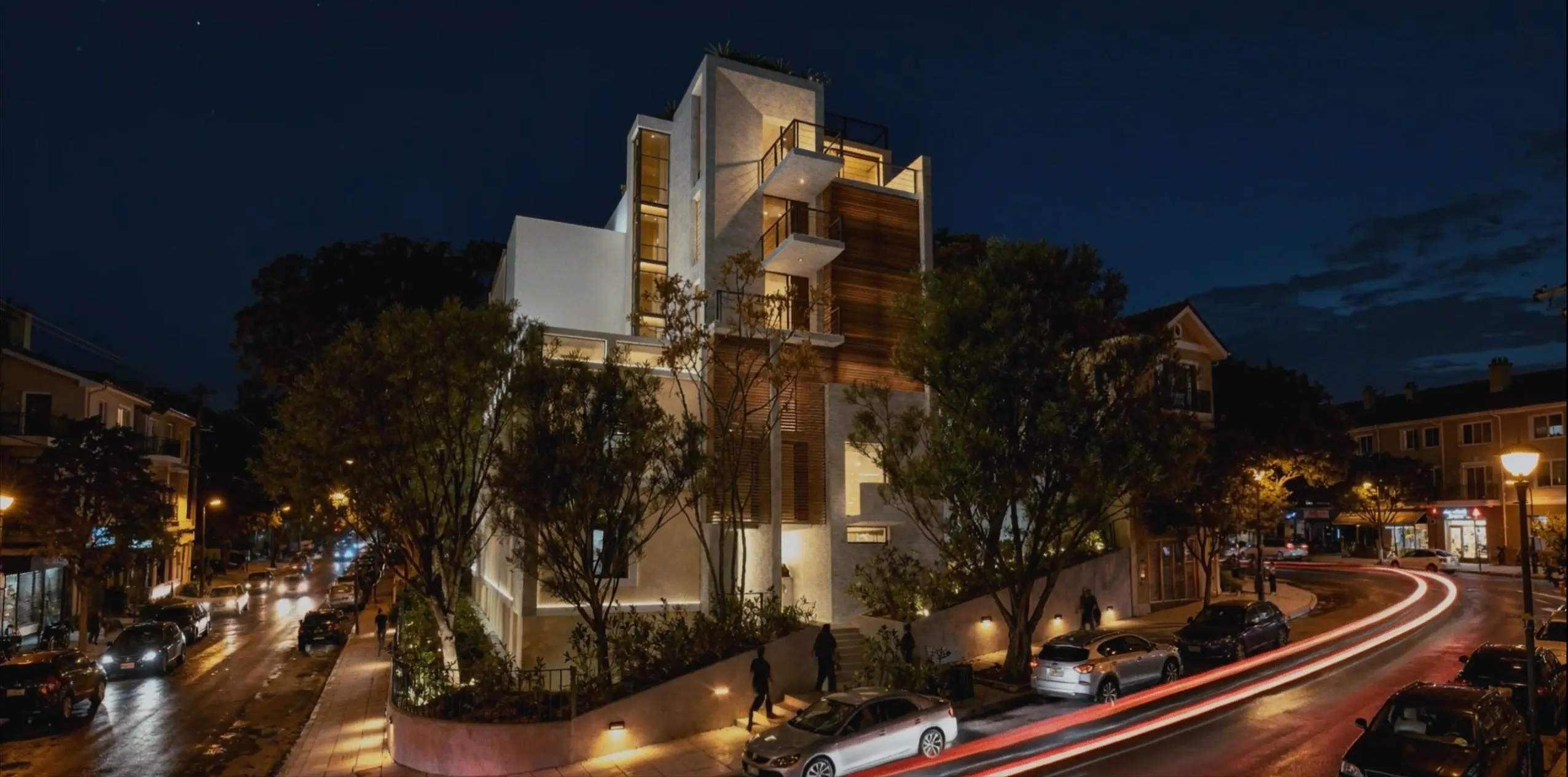
We approach urban projects as active parts of a larger fabric, shaping buildings and spaces that respond to context, support everyday life and contribute meaningfully to the city around them.
In dialogue with the city
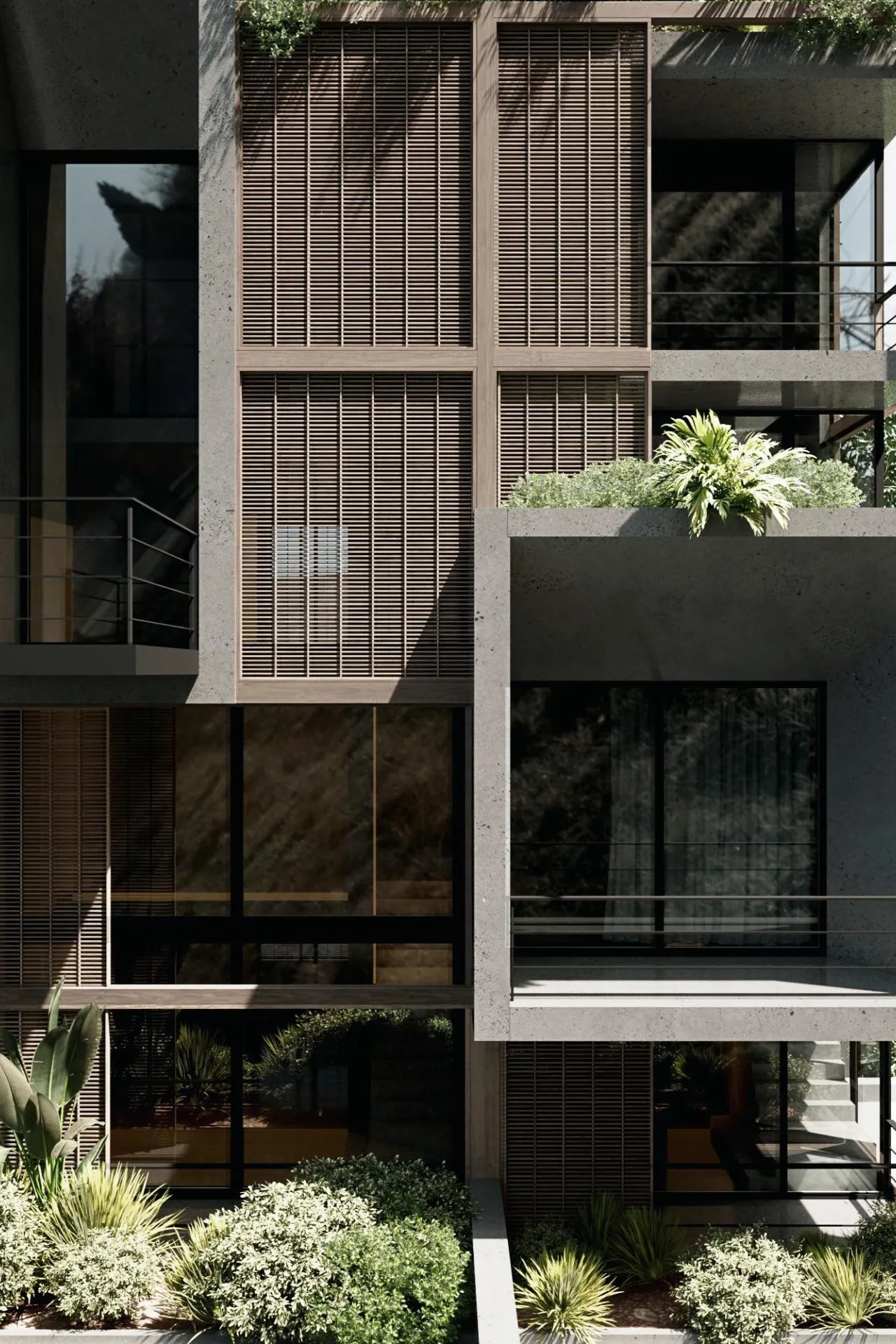
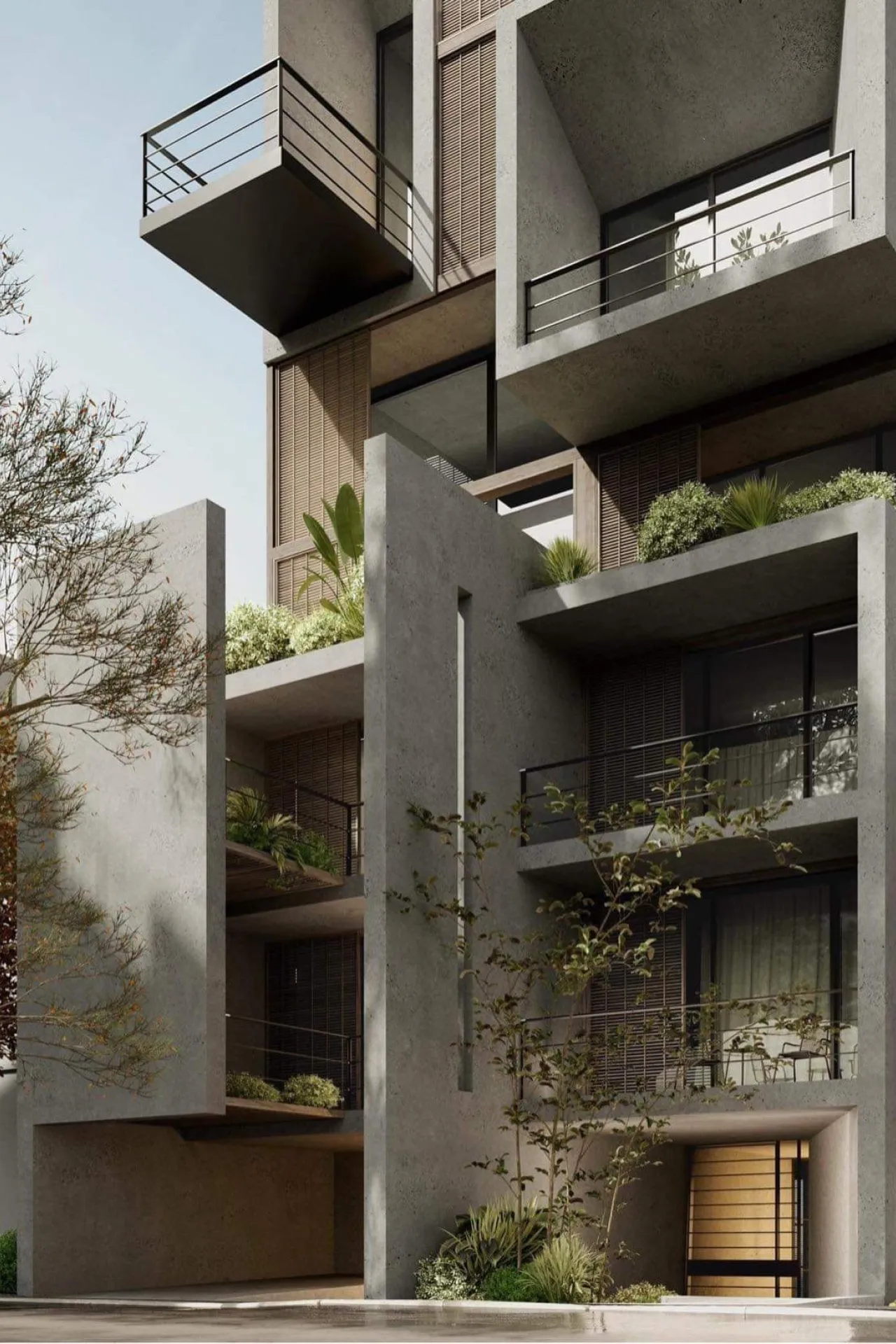
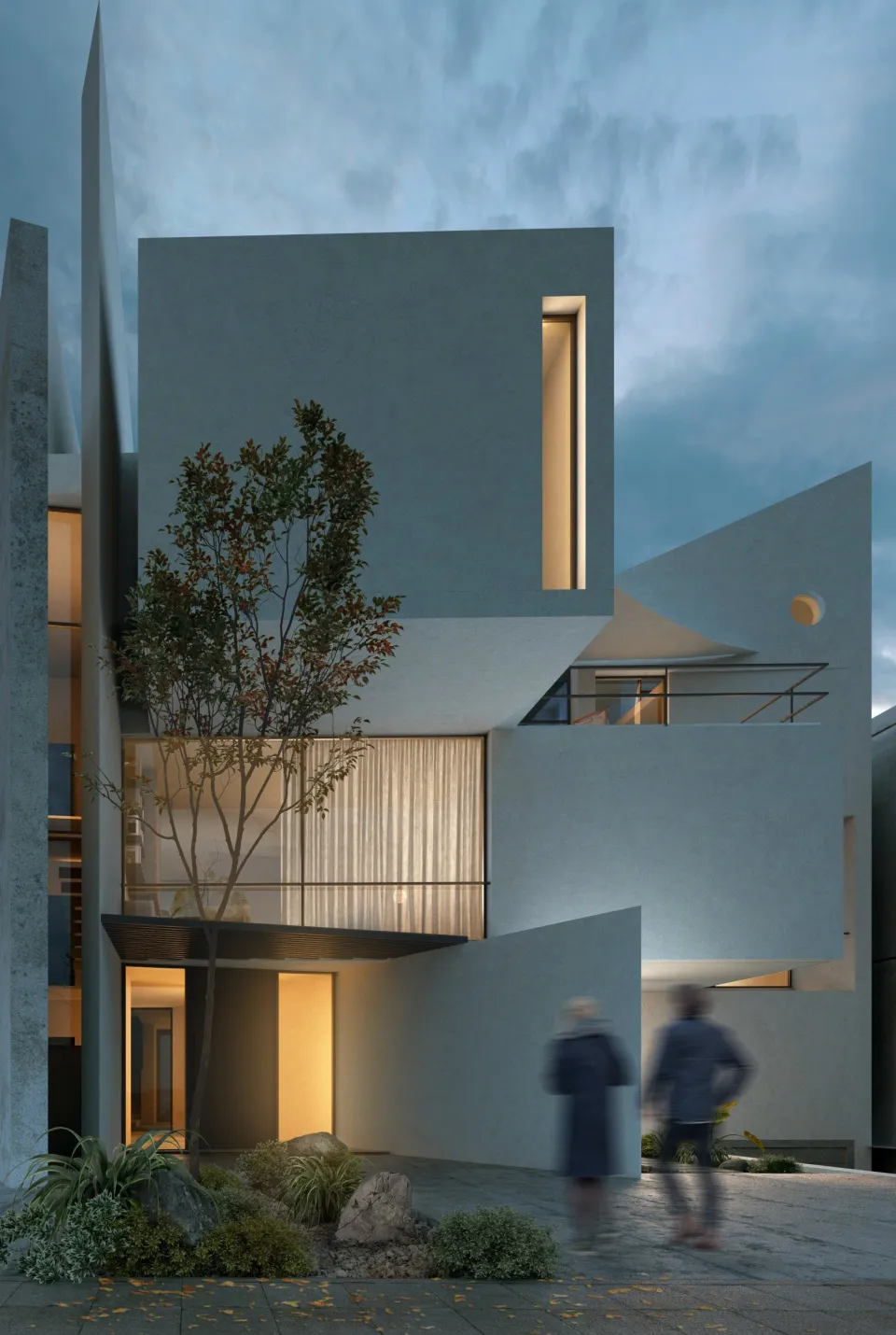
In the city, no project stands alone. Every building enters an existing network of streets, structures, histories, uses and human relationships. Urban architecture must therefore do more than resolve its own programme; it must understand what it receives from the city, how people will inhabit it, and what it gives back.
We approach urban architecture as a relationship between building and city, private life and collective experience. The aim is not simply to create an individual object, but a building that establishes its own identity while becoming a meaningful part of the urban fabric.
Our approach begins with a close reading of the immediate context: scale, frontage, movement, orientation, neighbouring buildings, public space and the traces of earlier uses. These conditions reveal where the project should continue the fabric, where it may create contrast and where a precise intervention can improve light, access, visibility or collective experience.
We are particularly interested in the threshold between private and public life. Entrances, ground floors, courtyards, passages, balconies and shared spaces shape the relationship between a building and its surroundings. They can make a project feel closed and isolated, or allow it to participate in the rhythms of the street while maintaining security, privacy and clarity of use.
In residential projects, this relationship extends inward. Density must coexist with privacy, natural light, outdoor space and a sense of retreat. We look for ways in which urban living can retain the qualities of comfort, atmosphere and connection to nature that inform our work beyond the city.
Environmental performance, daylight, natural ventilation, planting and the reuse of existing resources are treated as fundamental urban responsibilities.
Urban projects also demand adaptability. Buildings must respond to changing patterns of living, working, hospitality and commerce, often within constrained plots and complex regulatory conditions. We look for structural and spatial systems that can accommodate change without losing architectural identity.
Whether working on a residential building, an urban hospitality project, a workplace or a mixed-use development, our aim is to create architecture that is contemporary yet connected: precise in its own character, responsive to everyday life and generous in the way it meets the city.
Selected Urban Projects
-
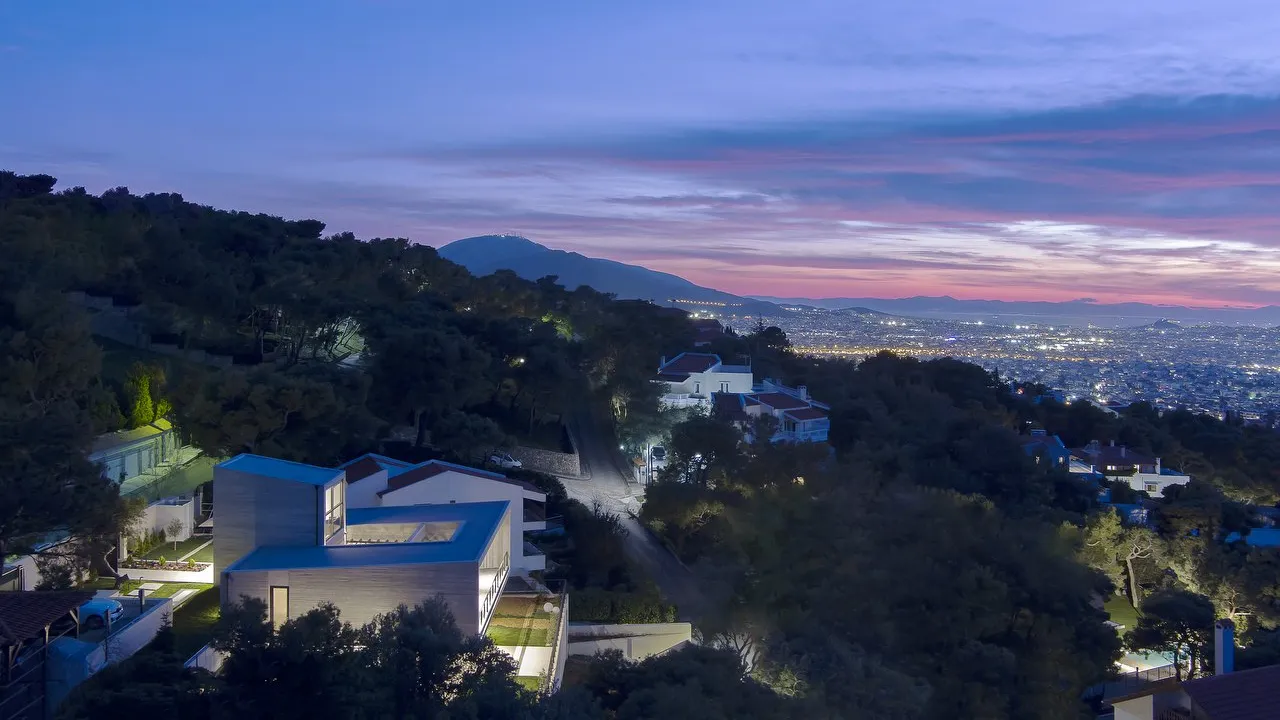
Residence in Penteli
Residence in Penteli
-
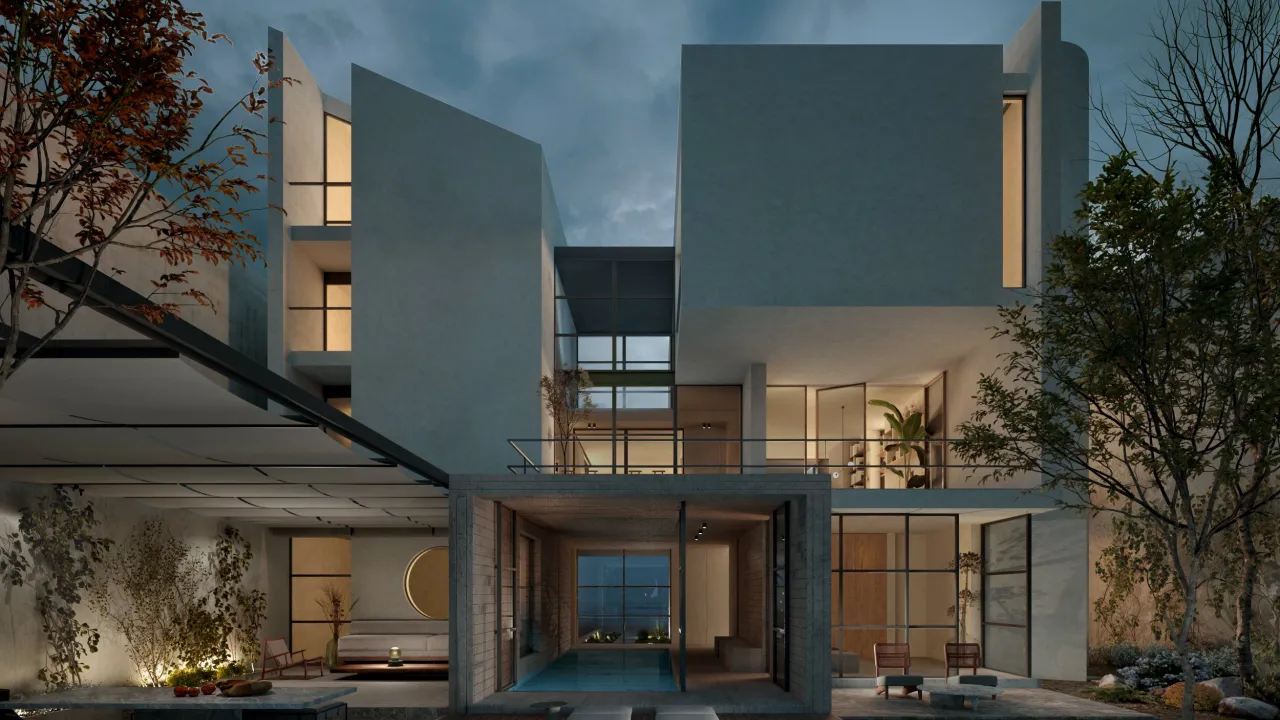
Residence in Nafplio
Residence in Nafplio
-
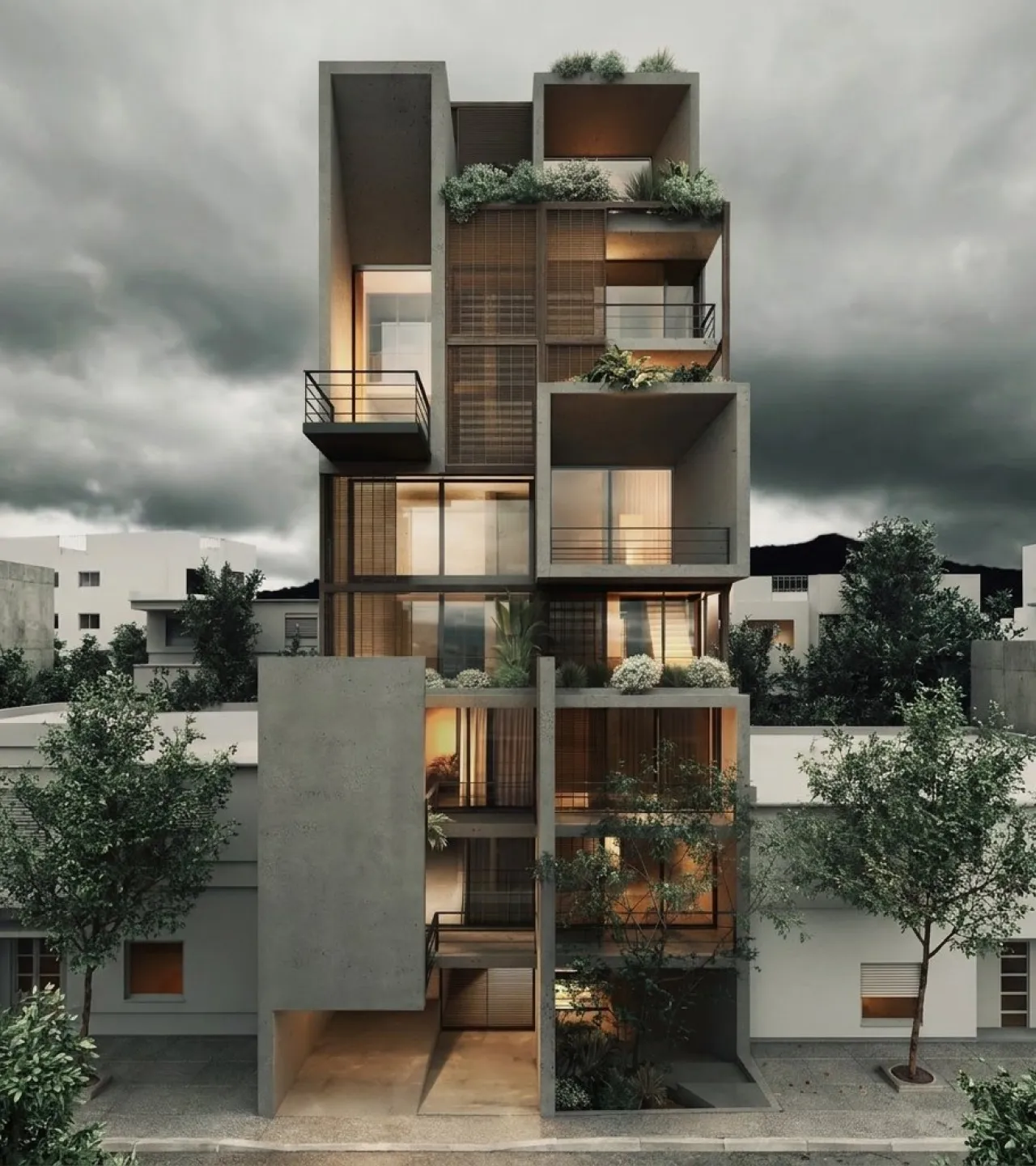
Green Block of Flats
Green Block of Flats
-
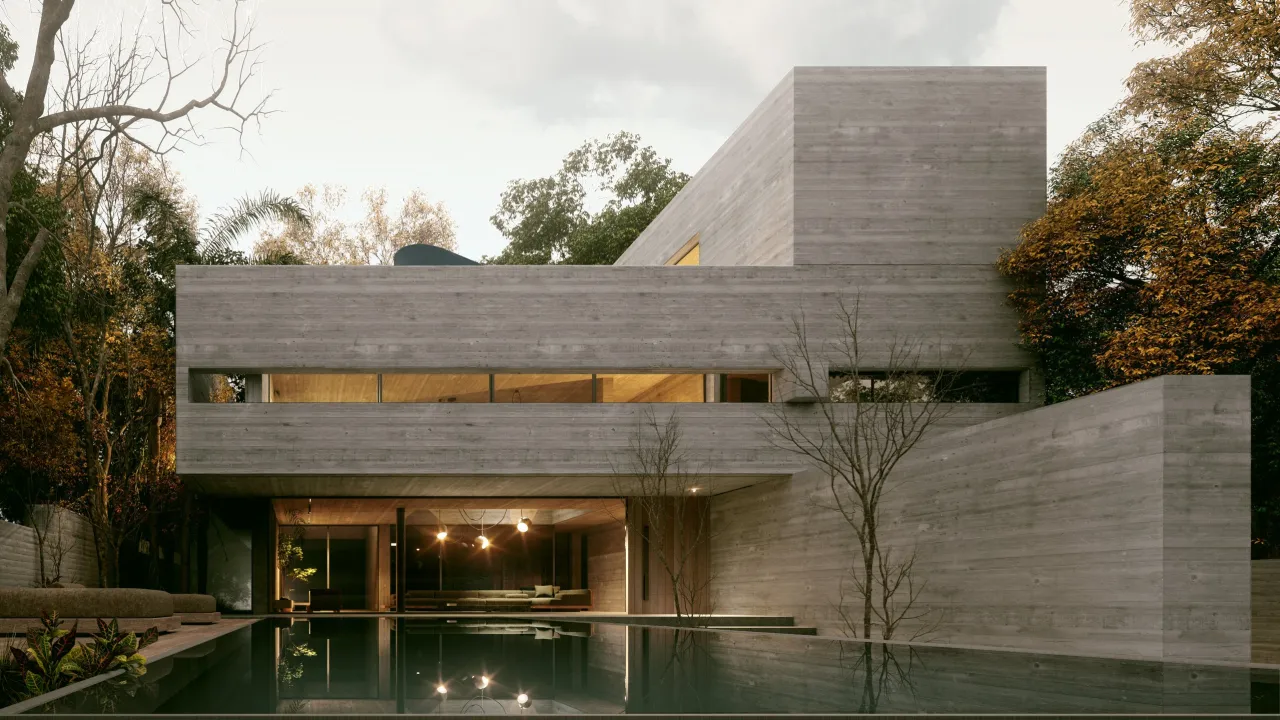
Residence L
Residence L
-
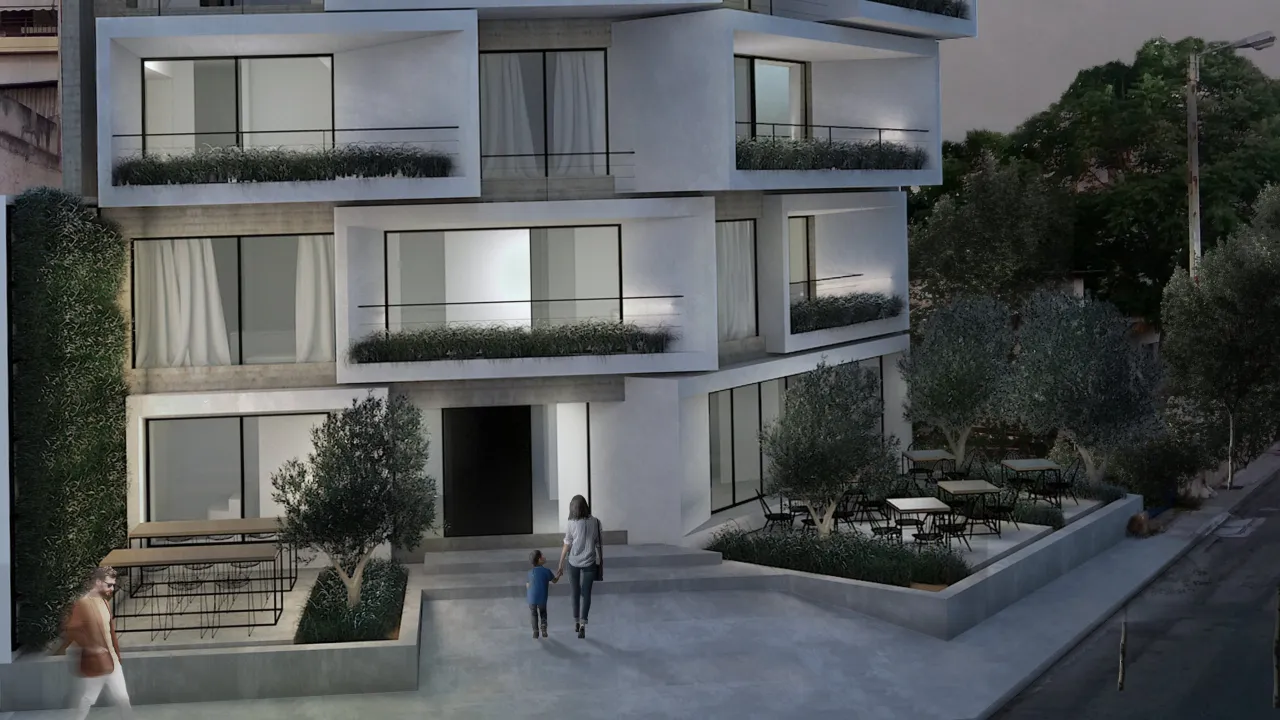
Sef Apartments
Sef Apartments
-
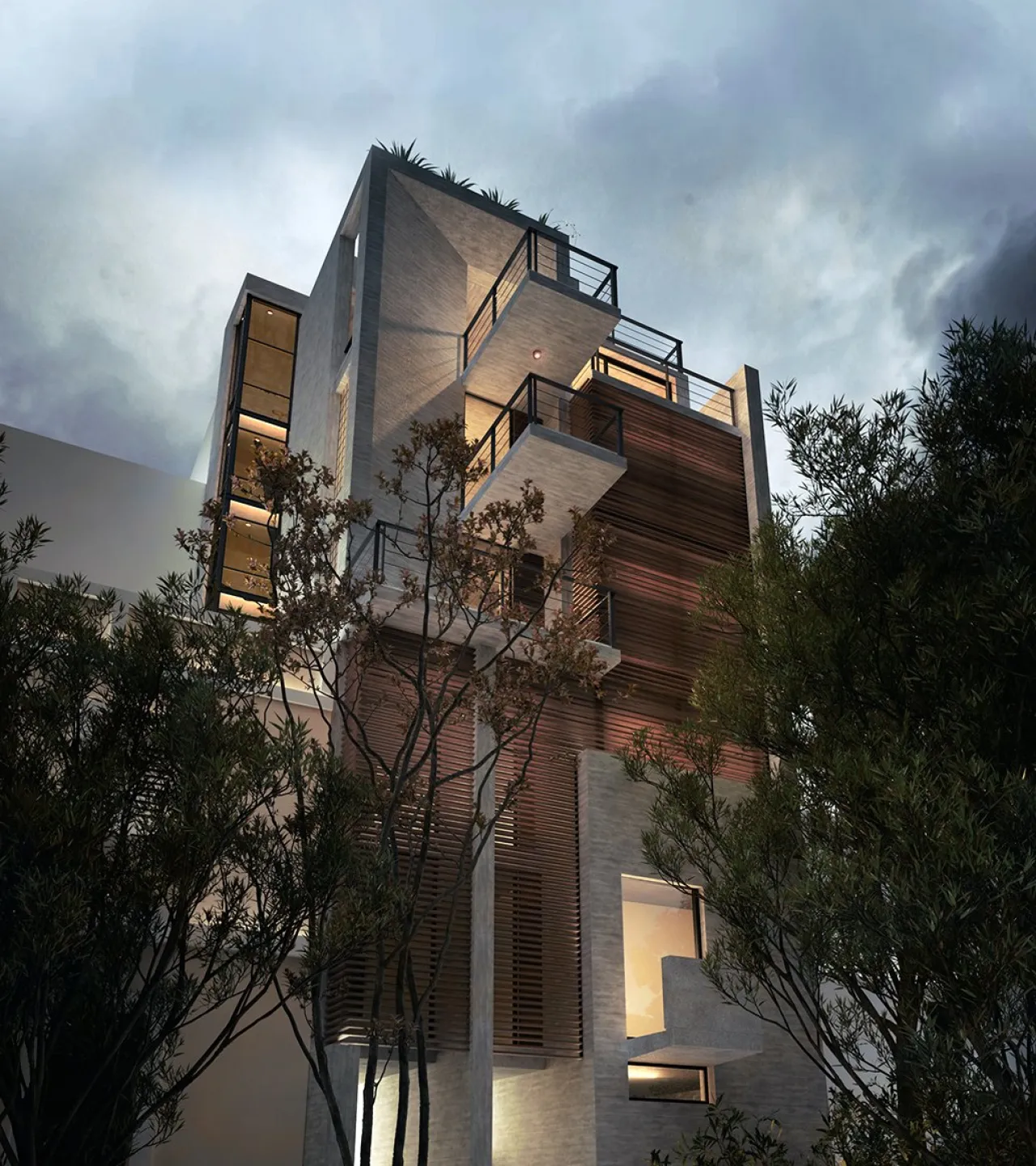
Block of Flats in Gyzi
Block of Flats in Gyzi
-
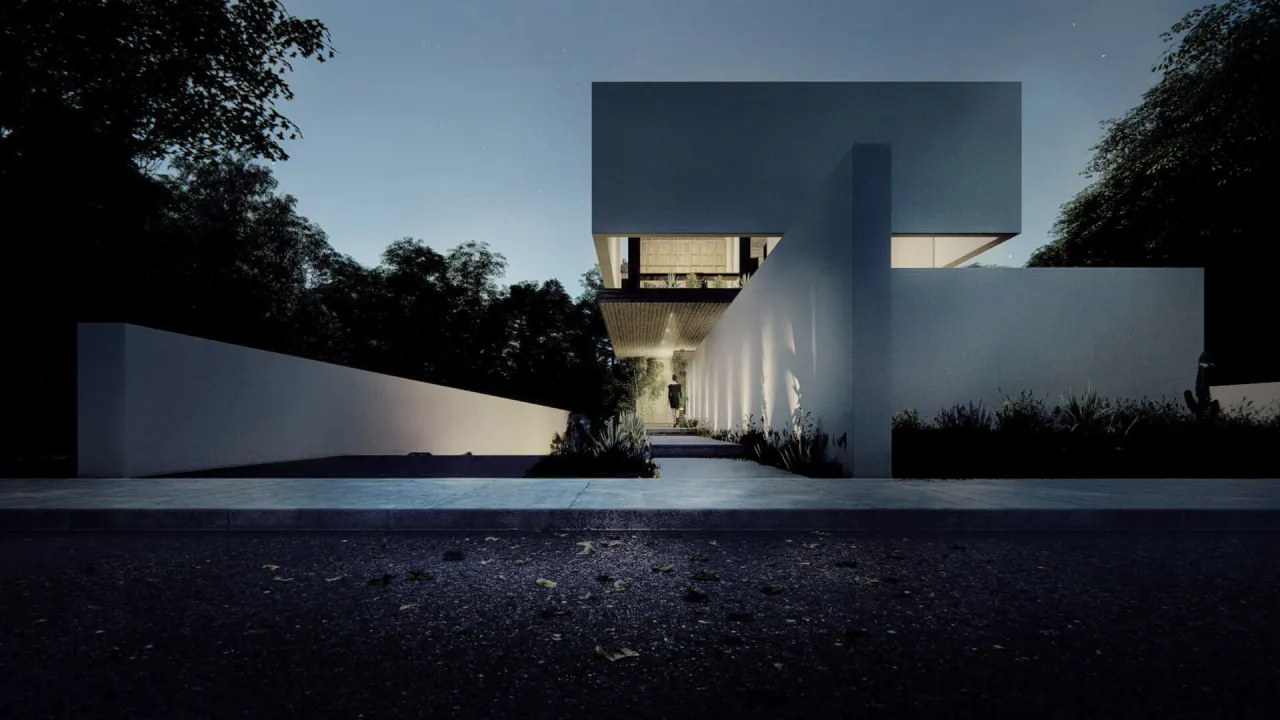
Residence in Kifissia
Residence in Kifissia
-
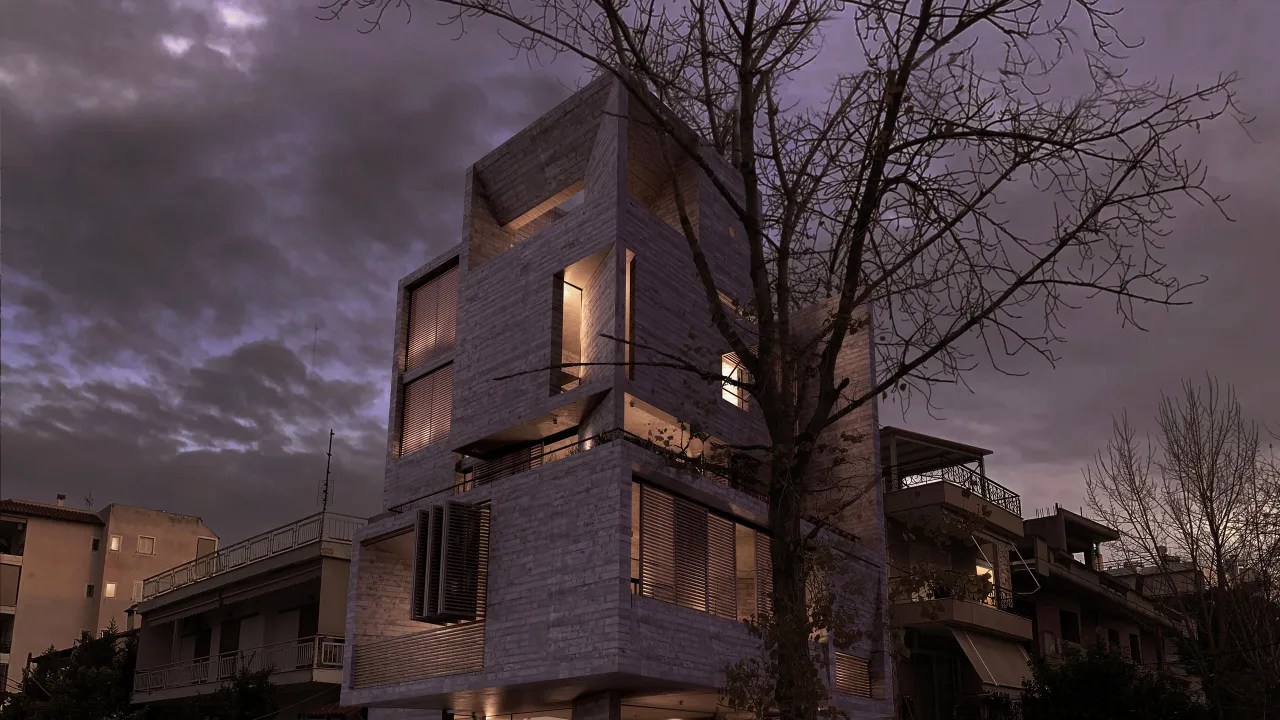
Casa Leone
Casa Leone
-
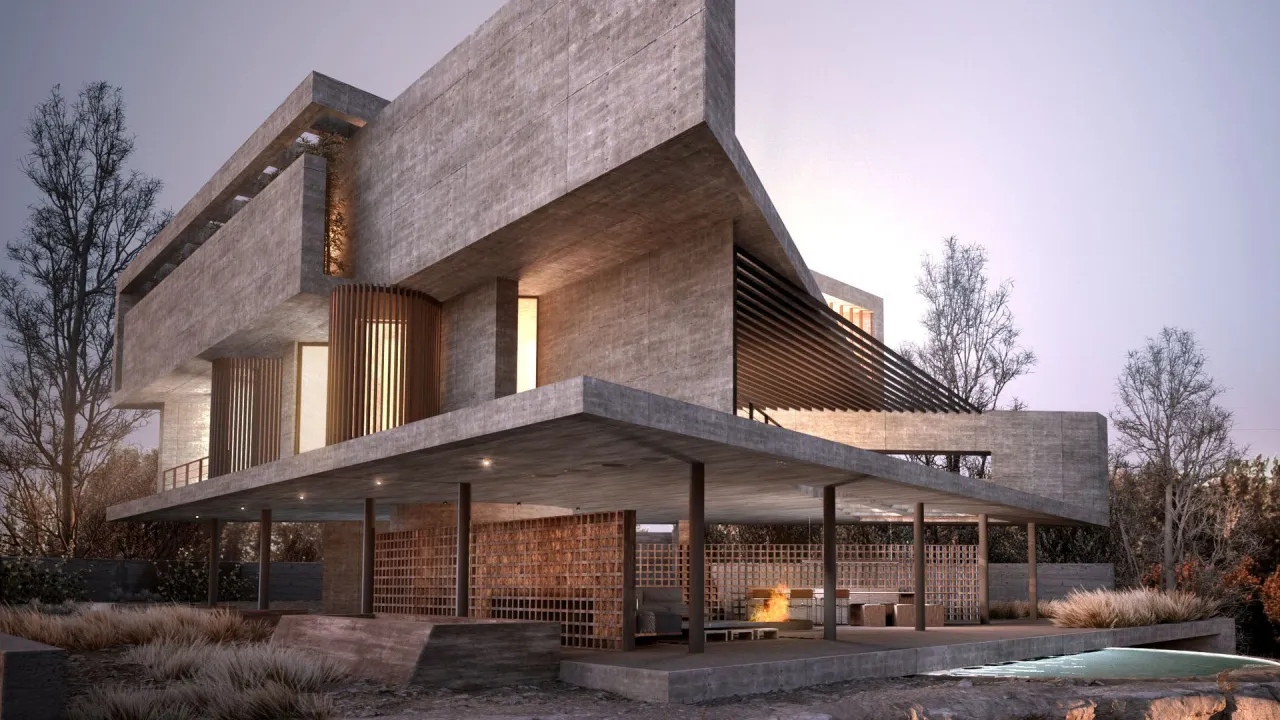
Casa 55
Casa 55
-
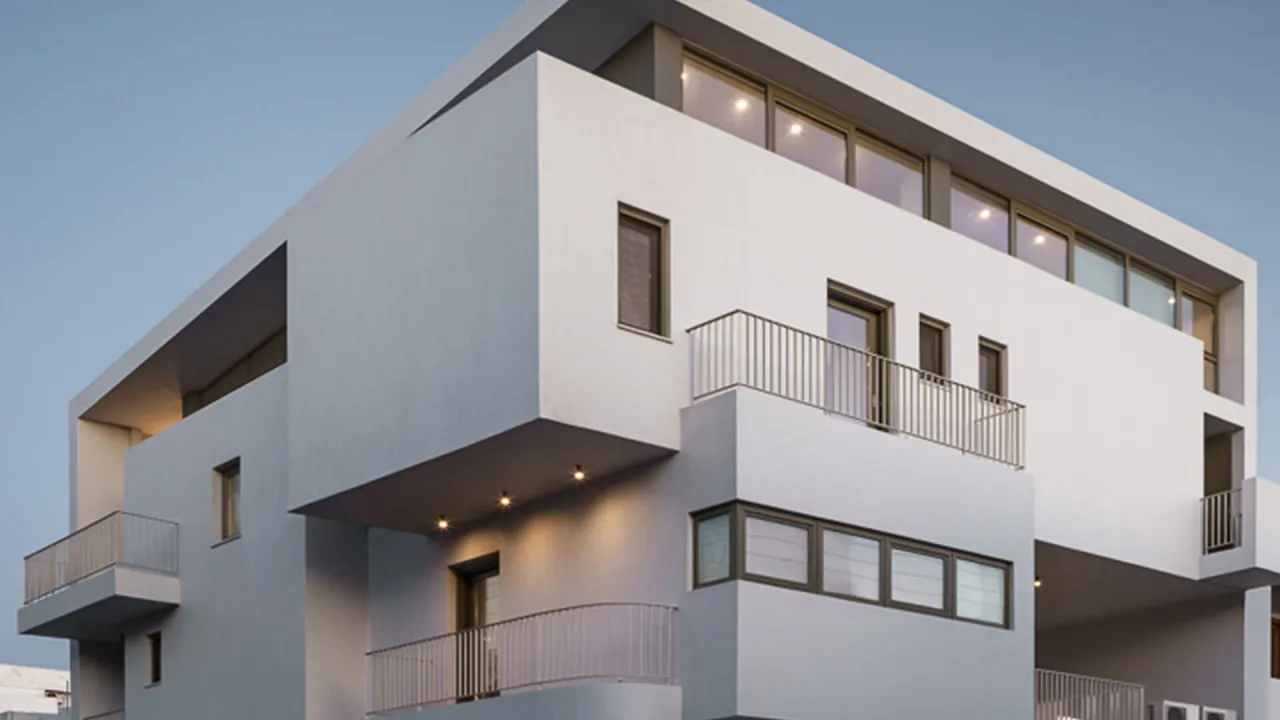
Urbanity in Tinos
Urbanity in Tinos
These projects respond to different urban conditions, but share a concern for context, adaptability and the quality of the relationship between building and city.
Our Approach
-
01
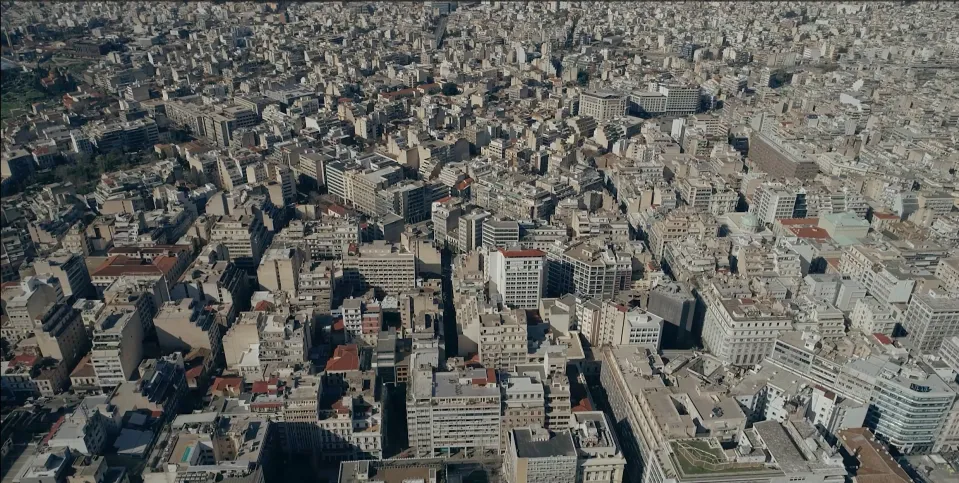
Reading the urban fabric
We study scale, rhythm, movement, edges and historical layers before defining form. Context is understood as an active system rather than a fixed visual style.
-
02
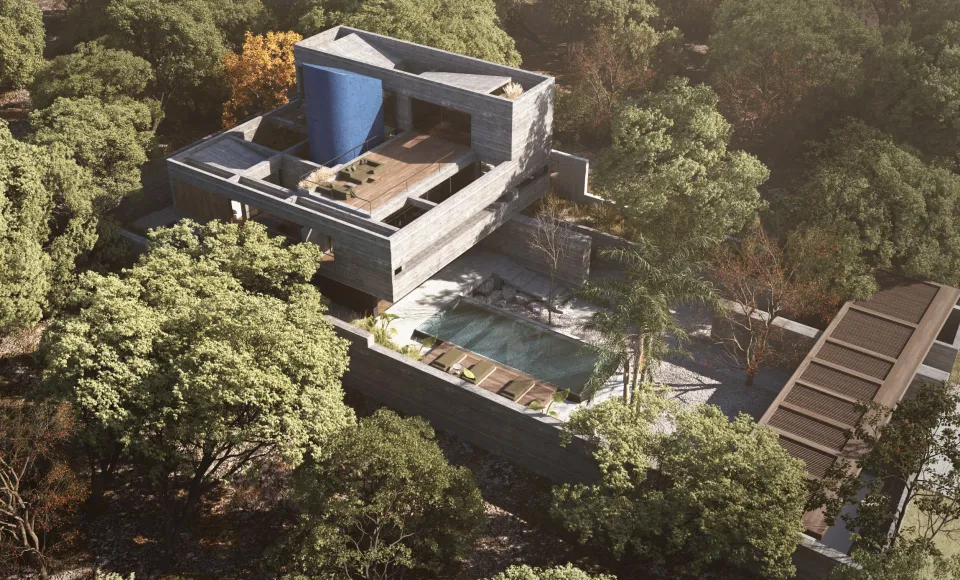
The ground floor as a civic threshold
Entrances, arcades, courtyards and active uses determine how a building meets the city. We treat this boundary as an architectural space in its own right, balancing openness, security and everyday life.
-
03
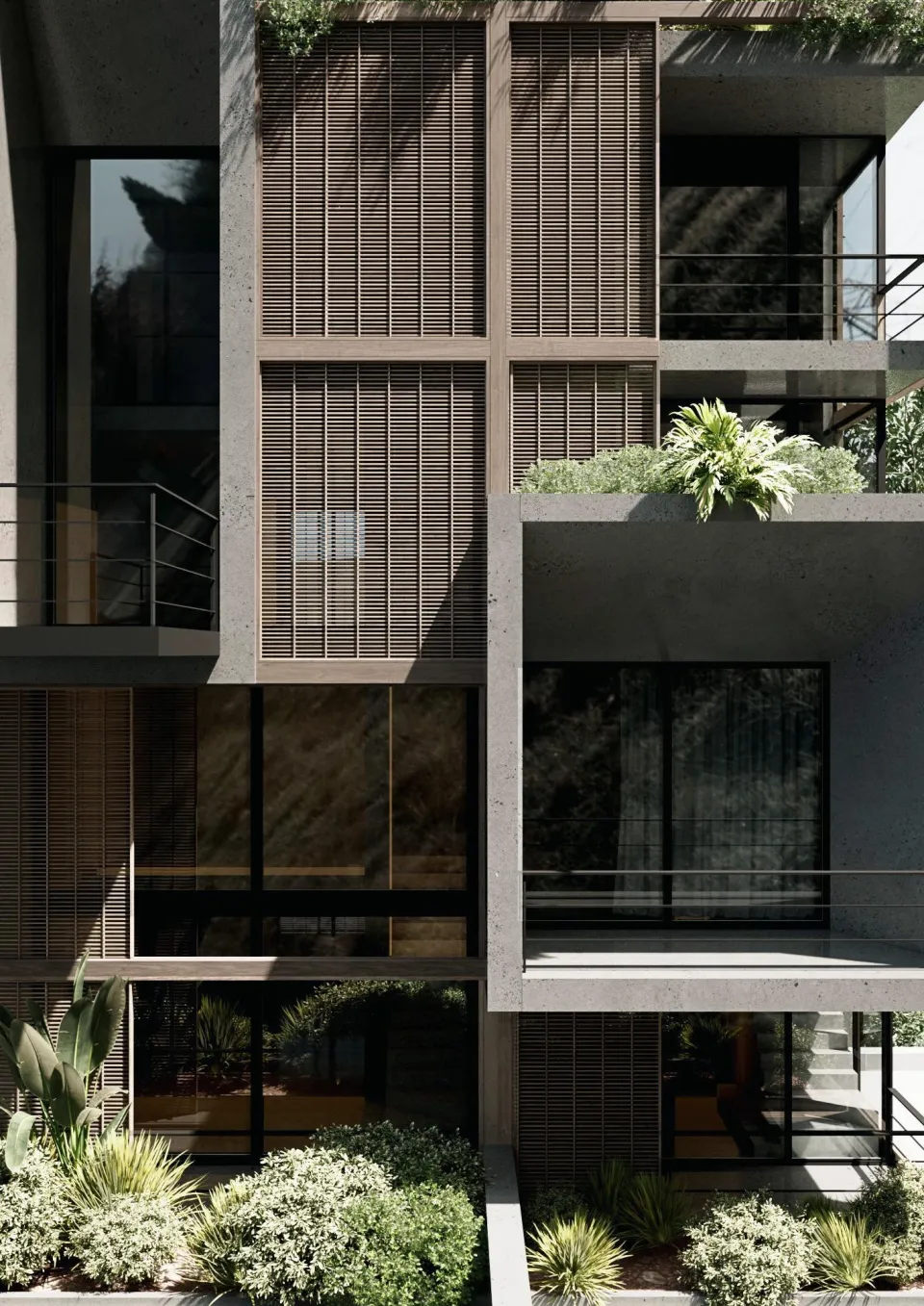
Density with quality
Urban density can create proximity and vitality when it is supported by natural light, privacy, outdoor space, planting and clear circulation. Efficiency should never be achieved at the expense of comfort, dignity or atmosphere.
-
04
Adaptability and long-term value
We seek robust structures and flexible spatial systems that can accommodate changing uses. Longevity in the city depends on a building’s ability to remain useful as well as physically durable.
Working with the city that already exists
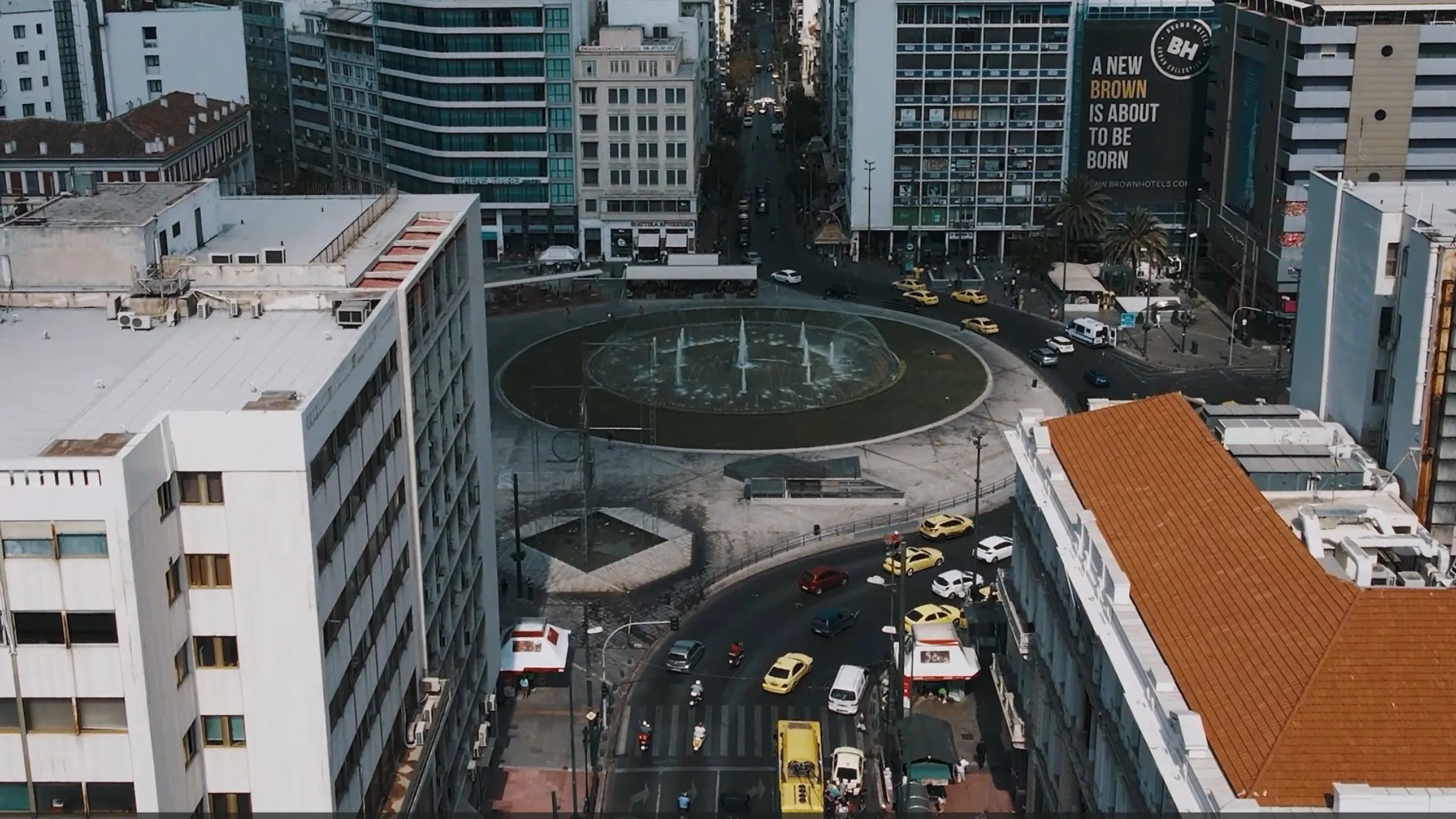
Many urban projects begin not with an empty site, but with an existing structure. When transformation becomes the central architectural question, our work continues through a renovation and adaptive-reuse approach that preserves value while creating a new life for the building.